How To Choose the Best Work Boots for The Job
Long hours on your feet can be exhausting, especially with the wrong footwear. Things can get uncomfortable fast, and you may even develop long-term foot pain if you don’t wear the right shoes for the job. Choosing the best work boots, therefore, becomes an important task that can mean the difference between workplace comfort and debilitating pain.
To help you select the ideal work boots for your unique needs, Shoppers Supply is here with a comprehensive guide detailing every aspect to consider. By following this resource, you’ll be able to confidently choose boots that can handle whatever work throws at them.
Components To Consider
There are three components in a boot: the upper sole, inner sole, and outer sole. Choosing the right components is the first (and arguably most important) thing you can do to find a comfortable and durable boot.
Outer Sole
The first component on our list is the outer sole. This is the component that directly touches the ground. As such, selecting the right kind of outer sole is critical for protection against slippery surfaces, electrical hazards, and debris that could pierce the shoe and cause puncture wounds. Here are some factors to consider.
Sole Material
The most common material for the outer sole is rubber. Rubber has various properties that provide grip and flexibility, making it ideal for most types of surfaces. Plus, rubber holds its form better than most other materials, resulting in consistent traction for longer periods.
For those looking for quality rubber, Vibram is one of the most popular brands. The iconic yellow stamp serves as a marker of the proprietary rubber blended with springy foam, which creates superior traction and exceptional grip strength.
Tread Pattern
Another important outer sole consideration is the tread pattern, or lugs. Like how car tire tread patterns affect traction, so do the lugs in work boots. In general, wider lugs offer excellent grip on loose surfaces and easier cleaning. Smaller ones are ideal for hard or rocky surfaces since they provide more surface area for contact with the ground.
Slip Resistance
Tread pattern and material come together to provide slip resistance for your work boot. This feature is critical in settings where the surface may get contaminated with slippery material, such as in restaurants, construction sites, and production floors. To determine which boots provide the best slip resistance, check if the shoe has certifications like ASTM F2913.
Upper Sole
The upper sole is the most visible component of the shoe, the material that wraps around your foot and may sometimes extend to the ankle or calf. Choosing the right upper sole material can help with breathability, protection, and durability.
Genuine Leather
Leather is the most common kind of upper sole material. The most affordable type is genuine leather, which is technically leather but is the lowest quality. It’s usually made from leather scraps or leftovers.
Split-grain or Suede Leather
Next in quality is the split-grain or suede leather, which is made from the flesh-facing portion of animal skin. It’s not as waterproof or durable as full-grain leather, but it still provides ample protection while having the aesthetic fuzzy look.
Full-grain Leather
The most expensive and highest-quality leather is full-grain leather. There are a few types to choose from, but our top recommendation is full-grain callout. Thanks to the quality finishing of this material, the surface develops a handsome sheen that resists wear and tear, allowing you to enjoy the footwear for years to come.
Nubuck Leather
Nubuck is similar to full-grain leather in terms of the material source, but the former is buffed to look like suede. You enjoy the aesthetic appearance along with the durability of leather from the outside portion of the hide.
Synthetics
Apart from leather, synthetic materials are great in various settings or applications. Fabrics like nylon and polyester provide breathability, water resistance, and minimal bulk that make shoes easy to break in and comfortable. In situations where being quick on your feet is essential, these materials help you remain agile.
Inner Sole
The inner or midsole is the area between the upper sole and the outer sole. Since this component is what your feet directly step on, the inner sole plays a major role in comfort. Here are some materials you can choose from.
Shanks
Shanks are midsole components made of metal, fiberglass, or other sturdy materials. The shank provides extra support, stability, and puncture resistance. However, not all shoes will have this feature, and some people might find shanks too stiff for their work demands.
Ethylene Vinyl Acetate (EVA)
One of the most common midsole materials is EVA, which has features like compression-resistance that help ease foot pain. EVA is a synthetic material that may break down over time, but it’s easy to find insoles to replace it.
Polyurethane (PU)
PU is another synthetic material, but it’s much denser than EVA. As such, PU can last longer than EVA, but it’s pricier and heavier.

Selecting the Right Toe Type
On its own, the upper sole cannot provide ample protection from dropping objects or heavy equipment landing on your feet. In settings where such possibilities are likely, having the right toe type can mean the difference between a minor bruise and a serious injury. You still want a balance of protection and dexterity, as a toe with heavy protective material can make you less agile in fast-paced work environments or contribute to fatigue. Here are the types of work boot toe protection.
Steel Toe
The most well-known toe type is the steel toe. The material, since it’s made of metal, provides heavy-duty protection against harsh blows. The best use cases are tasks where there’s a high risk of impact or compression. While they are durable, steel toes do conduct heat or cold, making them uncomfortable in certain environments. Plus, each toe can be as heavy as 0.2 lbs. The longer you wear the boot, the more fatigue you feel thanks to the added weight.
Soft Toe
Boots without additional toe protection on the upper sole fall under the soft toe category. These are the footwear best worn in settings where there’s minimal risk of impact or compression. For example, workers in retail, security, and light-duty construction sectors will find soft-toe boots agile and light. Plus, this type is generally on the more affordable side since no additional components are needed.
Composite Toe
Composite toes provide a similar level of protection as steel toes. However, they are much lighter thanks to the materials they’re made of, which can include carbon fiber, plastic, or fiberglass. Bringing these to the airport, especially for workers who need to travel a lot, is also more convenient. However, the main drawback is the aesthetics. Composite toe boots may have a bulging appearance since the toe box needs to be thicker, which some people may not find appealing.
Aluminum Toe
A compromise between steel-toe and composite-toe boots is one that uses aluminum. The material offers similar protection as steel while being lightweight enough to maintain foot dexterity. Plus, the boot requires less material than composite toes, avoiding that bulging appearance.
Alloy Toe
For those who want more robust protection, alloy toes are also an ideal choice. The material is usually made of two or more metals, such as titanium and aluminum. The combination creates new properties, such as increased protection against blows while still maintaining the lightness that heavy steel toes might not deliver. However, work boots with these toes may be more expensive than the others.
Met Guards
Metatarsal or met guards are not a type of toe box. These are work boot configurations that have additional protection for the metatarsal bones located on the top of the midfoot. It’s not just the toes that met guards protect, but the entire upper portion of each foot. These shoes are essential in environments with a high risk of impact, such as industrial manufacturing or heavy-duty construction.
Choosing the Style
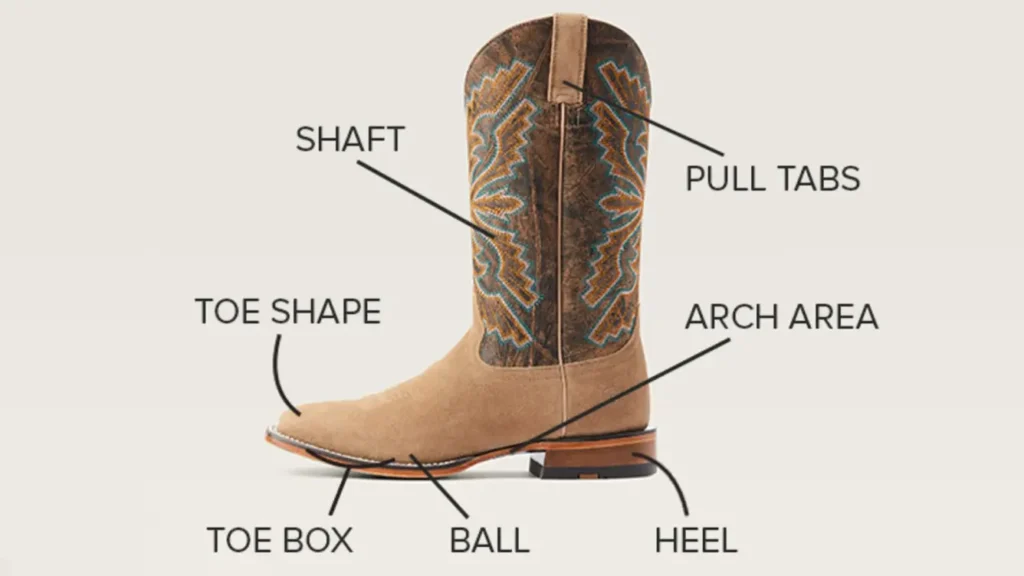
In our discussion, style refers to both the design and the construction of the boot, not fashion trends. Style matters because it affects the function, safety features, and performance of the footwear. Here are some of the common styles available today and the best applications for each option.
Wedge Work Boots
One of the most classic looks is the wedge work boot, which has an outsole that becomes thicker towards the heel. This design has been an American staple for a hundred years, and it’s usually recognized as the default style of work boots. However, this design is more than just for aesthetics. The main benefit of the wedge is that it provides comfort and stability, making these boots suitable for an array of settings or applications.
Western Work Boots
The cowboy or western work boot is another popular style usually associated with ranch work, horse riding, and the Western way of life. While these boots have transcended their original purpose and become fashion icons, well-constructed ones still provide various benefits that make them ideal in sectors like agriculture, animal husbandry, and other outside work. The stacked leather provides ample protection and comfort for long wear. Meanwhile, the slight heel and high shaft add stability and durability.
Wellington Work Boots
Wellington boots or wellies are typically associated with work involving mud or wet surfaces. These are the typical rubber muck boots worn during cleaning, farming, and rainy days. The long shaft allows for a pull-on entry, making it easy to use before work and kick off after. While most wellies are made entirely of rubber, some can have leather upper soles that help with comfort and water resistance.
Athletic Work Boots
Athletic work shoes bring together the features of work boots and athletic footwear to create agile and versatile products. These boots are usually made with synthetic materials, resulting in a lightweight feel. Plus, they have safety features like slip resistance and a strong grip that prevent accidents. The increased breathability and lack of bulk make these shoes ideal for workers who are always on the move, such as delivery drivers and warehouse workers.
Casual and Dress Work Boots
Some boots have designs that are good enough for casual or formal settings. These dress work boots are ideal for those in job sites that require a more professional appearance. Wearing dressy work shoes allows you to simply replace jeans with a pair of slacks to meet with the higher-ups. Even with their more refined appearance, these work boots still have safety features like a safety toe box and non-slip outsoles.
Logger and Lineman Work Boots
Lace-up work boots are popular for sectors like logging and utility work. These have designs like dedicated lug patterns that provide extra stability. Even when the wearer is high up in a tree or on an electric pole, they can trust the boots to maintain maximum grip and provide arch support. Plus, the lace-up feature ensures a close fit so the boot won’t feel loose while the worker is high above the ground.
Specialty Features To Consider
Design, toe protection, and material are the basic considerations when choosing the ideal work footwear. Beyond these three, you’ll also want to look at special features that make each type suitable for certain settings or industries. Check out these additional factors to consider during your selection.
Water Resistance
The most common special feature in work boots is water resistance. Sometimes labelled water repellent, these shoes have a natural ability to resist water on the surface instead of absorbing it. Others have special coatings that provide this feature.
Water Proof
“Water resistant” and “water proof” are often conflated together, but water proof does more than repel water. Boots with this feature have a robust design and material that prevents water from entering completely, not just repelling splashes. These boots can provide all-day dryness and comfort for those who work outdoors or in locations where water is everywhere.
GORE-TEX
GORE-TEX is a waterproofing technology, and it’s one of the more recognized innovations due to marketing. Wearing shoes with GORE-TEX provides superior protection even when the shoe is submerged in water. However, the protection only works where the internal membrane reaches. If the water goes past the ankles, for example, then water will enter the shoe.
Electrical Hazard Protection
In settings where electrocution can happen, shoes with electrical hazard protection are ideal. These have additional features that help resist high voltages, up to 600, in dry conditions. If the ASTM has an “EH” after it, then this shoe is certified to provide ample electrical hazard protection.
Insulation
Outdoor work will sometimes lead to situations with cold temperatures. Insulated boots become an essential not just for protecting your feet from the freezing ground, but also to keep you comfortable throughout. The most common material for insulation is Thinsulate, and it comes in a range of weights. Lower numbers, which begin at 200 grams, are ideal for cooler environments. Higher weights, up to 1000 grams, provide ample protection for extremely cold or freezing conditions, such as maneuvering through thick snow.
Heat Resistance
In contrast to shoes for cold temperatures, heat-resistant work boots help keep away extreme heat from the feet. These are ideal for roofing work, welding, and other tasks where hot surfaces or materials can come in contact with workers.
Chemical Resistance
Chemical resistance is a necessary feature in settings where lots of toxic or corrosive materials exist. Look for shoes graded based on degradation or permeation. The ones with the highest ratings should be able to resist most chemicals and prevent skin contact.
Puncture Resistance
In terms of puncture resistance, the outer sole is the main component that needs to have this feature. These shoes must have the right material and additional features (such as the shank) that can prevent foot injuries from rusty nails, pointy debris, and other sharp objects.
Postal-approved Boots
For those working for the U.S. Postal Service, you’ll need to have shoes approved by the agency. These have features like optimal cushioning, which allow for all-day comfort, even when you’re walking for hours.
Removable Footbeds
Having removable footbeds can make a huge difference in your comfort levels. These additional components provide additional cushioning for your feet and absorb weight in every step, reducing fatigue even if you’re on your feet for the entire day.
Tips for the Perfect Fit
Now that you know what to look for, the next step is finding the best-fitting shoes. Taking the extra effort can make a world of difference for long-term comfort and foot health.
Measure the Correct Width
Standard shoe measurements follow foot length. As such, you may find one that has the right length but is too narrow. Make sure to measure your foot width as well to find the perfect fit. The measurements range from B (extra narrow) to EEE (triple wide). However, each brand classifies width differently, so check conversion charts as well.
Try on in the Afternoon
During the afternoon, our feet tend to be larger thanks to all-day pressure. Taking your measurements or trying out a boot around this time helps you avoid shoes that feel uncomfortably snug after working long hours.
Use a Brannock Device
A Brannock device is a measuring tool that helps measure your foot dimensions accurately, including the arch length. Most work boot stores should have this device to help customers determine their exact measurements.
Choose Trusted Brands
If you’re already familiar with a brand, then you’re probably aware of how their shoes fit and the quality of the craftsmanship. Rather than take chances on a new shoemaker whose sizing you’re not sure of, it’s best to stick to what’s trusted.
Wear Socks
Most people wear work shoes with socks. As such, during fitting, wear a pair that you tend to use when at the job site or in your work setting. Having socks on helps you avoid a tight fit that doesn’t account for the additional width of the sock.
Understand the General Fit
This step matters especially for first-time buyers of quality work boots. There are a few guidelines that you can reference when evaluating the fit of each shoe.
- Toes shouldn’t press against the tip of the boots.
- The heels shouldn’t be rubbing against the insoles, nor should they slide back and forth.
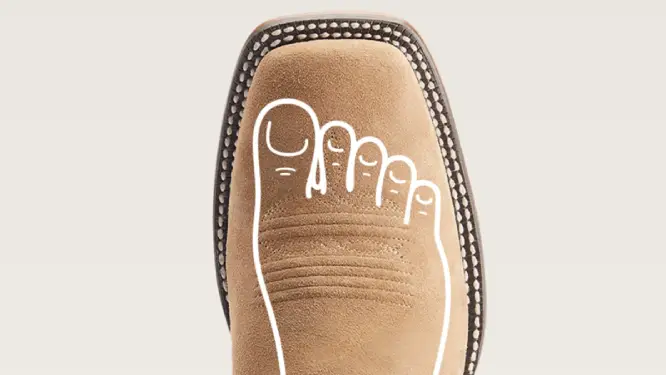
- There should be room to splay your toes apart so they don’t squeeze together uncomfortably.
- The feel should be comfortable from the get-go. Any discomfort you feel will only increase with longer wear.
Have Patience During the Break-in Period
Leather will usually be stiff at first, and some insoles won’t be as responsive during your initial wear. As such, it’s important to break in your shoes so they can adjust and conform to your foot shape. Spend time walking around in the shoes for short periods before you start using them for long hours at the job site.
Try Aftermarket Insoles
Aftermarket insoles are dedicated products that aren’t usually sold by your shoe’s brand. Instead, these insoles are purpose-made to provide personalized fit and comfort. These additions can improve the feel of your shoe and may even add snugness to boots that feel a little loose.
Shop Work Boots at Shoppers Supply
With this guide, you can start finding quality work boots that suit your comfort needs, attire, and the environment you’ll be working in. Visit Shoppers Supply today and check out our wide range of work footwear for various applications and preferences. We have three locations for Arizona residents and beyond: Apache Junction, Chandler, and Gilbert. You can also shop online for added convenience. Check out our selection today!