Beginner's Guide To Raising Guinea Fowl

Some people adore a cat’s purr or a dog’s wagging tail. Some fancy watching fish swimming or reptiles crawling in tanks. Pets just bring so much joy into our lives! Then, there are those who feel most alive pulling on their farm clothes at sunrise, heading out into the fresh air, and tending to a lively flock.
Maybe ducks or chickens pop into your head first. Or have you ever thought about guinea fowl?
At Shoppers Supply farm stores in Arizona, we support your endeavors through high-quality supplies. If you’re curious about guinea fowl and plan to add them to your homestead, this beginner’s guide is for you.
Getting To Know Guinea Fowl
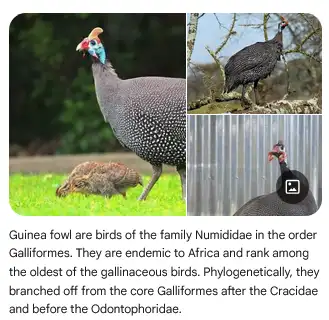
Many have never seen a guinea fowl up close or even heard of one. From a distance, they can resemble odd turkeys or chickens, but they are actually part of a bird family called Numididae and hail originally from Africa.
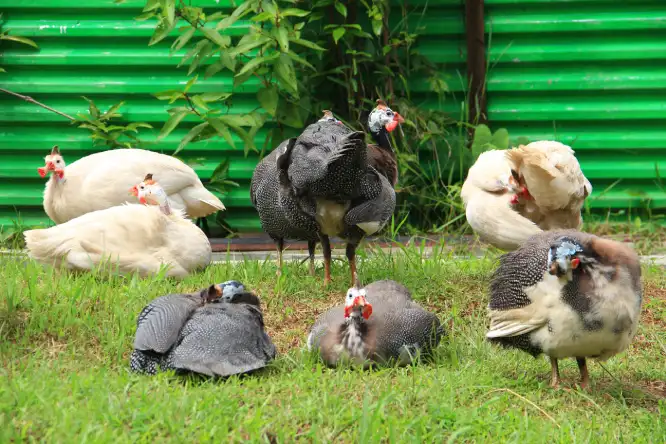
The one you will most often see on farms is the Pearl guinea fowl, also called the Helmeted Pearl. This is the classic speckled bird, characterized by a quirky, helmet-like bump on its head and feathers so beautiful that they are often used in crafts and decor. Other gorgeous varieties include the White, Royal Purple, and Lavender guinea fowl.
Sex
With guineas, telling the boys from the girls is not easy. Between 12 and 52 weeks of age, pullets (young females) and cockerels (young males) look almost identical, but once they’re older, you can listen to their voices for answers.
Both sexes make one-syllable cries, especially when they’re excited, but female guinea fowl have a very distinctive two-syllable call that sounds a bit like “buckwheat, buckwheat” or “put-rock, put-rock.” Males do not make this sound at all.
You can also observe their helmet and wattles or the fleshy bits hanging from the sides. Males have noticeably larger helmets and wattles than females.
Hens
Guinea hens are what you might call “communal moms.” They love laying eggs in one big shared nest, sometimes up to 50 eggs in one spot. They also take turns sitting on that nest, like a built-in babysitting system. However, they are not exactly known for excellent parenting.
Guineas faithfully brood their eggs for about 26 to 28 days. Then, the moment those keets or baby guineas hatch, mom is often ready to hit the road — literally. She will start walking off with the first few keets, and the rest have to hustle to keep up.
Eggs
Guinea fowl lay from March through October, depending on where you live. On average, a hen lays about 100 eggs per season. Their eggs are smaller than chicken eggs, light brown and speckled, with a much harder shell.
Note that guineas are notorious for picking their own secretive spots to lay. Tall grass, bushes, in the woods, or on the top of buildings? They have their way of hiding eggs from predators.
You can teach guineas to use nesting boxes. Hopefully, they won’t make you go on a daily hunt just to find those eggs!

Housing Guinea Fowl
Guineas are not the “sit still” type — they’re natural wanderers, happiest when they roam and forage for bugs, seeds, and whatever else they discover on the ground. In short, they’re built for free-ranging. So, what if you don’t have acres and acres to work with?
You can keep guineas enclosed, but provide at least two to three square feet per bird. They will appreciate shelter from rain, harsh sun, or predators, too. Guineas hate the snow and also tend to roost up high in trees at night, so install roosting poles in their enclosure.
For flooring, go with something absorbent, such as wood shavings, chopped hay, or straw. And focus on ventilation because moisture buildup fosters mold growth. You can get the tools and hardware you need for coop-building in any Shoppers Supply Western store.
Here’s a checklist for housing your guinea fowl:
- Allow them to free-range
- Give each bird two to three square feet of space in an enclosure
- Provide shade and shelter from rain, snow, sun, and predators
- Add roosting poles in the coop or shelter
- Use absorbent bedding
- Make sure the coop has good ventilation
Guinea Fowl and Chickens
Guinea fowl can coexist with chickens like Black Sex Link or Sapphire Gem without too much drama, but they do not mix well with roosters in general.
Skip this idea for the good of everyone.
You would think the roosters would be the kings, but nope! Guineas take the crown. They’re extremely territorial, often chasing roosters around and even blocking them from food and water. So, if you absolutely must house them together, make sure it’s only temporary and that they have space. For instance, enclose them at night and let them out first thing in the morning.
Pro tip? Set up separate feeders and plenty of water options so no one fights over resources.
Raising Guinea Keets
Again, guinea fowl lay eggs everywhere. As such, most beginners go straight to buying keets or young hens instead.
If your hen does hatch her own babies, take most of them and move them to a brooder for safety. You may leave one or two with the mom, but avoid leaving all the keets. Remember, they have a very much of a “survival of the fittest” situation.
Start your keets in a 95-degree brooder and lower the temperature by about five degrees every three days. Once fully feathered, move them to a pen and keep them there two to four more weeks before letting them out with the others.
Housing keets in an enclosed space from the start teaches them where “home” is. You can gradually let them free-range one by one, but plan shelter carefully. Guineas fly surprisingly high! They are flock animals, though, so they naturally stay close to where their family is.
Feeding Guinea Fowl
When raising animals, you know food is a big deal. And with guinea fowl, feeding time can be a little different from what you’re used to with your flock.
Should you stock up on bags of commercial feed? Or do these birds do better when they’re out foraging on their own? How much food is “enough,” and does it change as they grow?
Let us give you all the answers. After all, nobody wants to end up with malnourished guineas and spoiled feed sitting in the shed.
Keets
Keets look small and delicate, but they are actually feathered athletes in training and need a lot more protein than your average chicks.
Right from the start, feed them a high-protein diet using a game-bird or turkey starter feed. Aim for 28% protein and serve crumbles, not pellets.
At around five to eight weeks old, drop them down to about 18% protein feed. After week eight, transition to a more standard 16% layer mash.
Keets are very sensitive to cold. Stick to lukewarm water for the first few weeks, saving them from life-threatening chills.
Adults
Adult guinea fowl need about 0.25 to 0.5 pounds of food daily and crave more protein than chickens. Let them chase bugs, worms, slugs, and tiny rodents to their hearts’ content! They also snack on grass, weeds, dandelions, and other vegetation for digestion.
As a treat, you may toss guineas some scratch feed like wheat, sorghum, millet, or veggie leftovers. Give them access to grit and oyster shells for a calcium boost, too.
If your guinea fowl cannot free-range or when bug supply is low during winter, swing by our Shoppers Supply feed stores in Apache Junction, Chandler, or Gilbert to supplement with commercial unmedicated poultry feed with higher protein content.
And, of course, always have fresh water available.
Keeping Guinea Fowl Healthy
One of the most impressive things about guinea fowl is how tough they are. They’ve never been commercially bred or “improved,” so they are hardy birds!
In fact, guinea fowl are known for being remarkably disease-resistant compared to other poultry. They do not get sick easily and are rarely plagued by the same issues chickens face.
Still, preventive care goes a long way. Here are five things to prioritize:
- Vaccination. Guineas forage in areas with high exposure to parasites or disease-causing microbes, especially in damp, warm environments. Get them vaccinated for protection and your peace of mind.
- Deworming. Your birds are at risk of ingesting insects carrying parasite eggs. Set up a regular deworming schedule to fight internal parasites.
- Dust Baths. Give your guineas access to a dust bath to ward off external parasites and maintain their feathers. They will instinctively roll and fluff in it!
- Proper Cleaning and Sanitation. Regularly clean the coop, roosts, and feeding areas to reduce the chance of disease or parasites sneaking into your flock.
- Quarantining. Is one of your guineas lethargic, coughing, sneezing, having diarrhea, or huddling? Quarantine immediately to figure out what is wrong and stop the illness from spreading.
Should You Raise Guinea Fowl?
Raising guinea fowl comes with its fair share of ups and downs. You could either go, “I love these birds so much I am going to raise more!” or “What on earth have I gotten myself into?”
Let us reveal the pros and cons, shall we?
Reasons To Say Yes
If you really like the idea of free-ranging birds, go for guineas! They are naturals at patrolling your yard, guaranteeing strangers, predators, and pests do not stand a chance. You have watchdogs for your entire flock!
And since they get about 90% of their food on their own, you save money. Expect your feed bill to drop significantly compared to chickens.
Guineas thrive in a warm climate, handling heat far better than many other poultry breeds. They live 10 to 15 years, making them a long-term investment in your farm or homestead.
Reasons To Rethink Your Choices
Now, the quirks.
For starters, small backyards or tight enclosures stress guineas out. They might get sick, fight, and fly to greener pastures. They also have a knack for freshly worked soil. Plant a new bed or till your garden, and they will investigate your hard work.
No, they will not scratch and tear up your work with the same intensity as chickens, but they will be there.
The biggest concern? The noise.
Guineas are super loud. Their calls are constant and piercing, which can be reassuring but maddening at the same time. If you have close neighbors or are sensitive to racket, maybe choose other birds instead.
Lastly, if you want cuddles, stick to chickens, as guineas do not promise them. They are independent, self-sufficient, and affectionate only on their own terms.
The Verdict
Your decision should depend on your property, preferences, and tolerance.
Natural pest control, predator alerts, garden-friendly habits, and minimal feed costs? Guinea fowl’s benefits are hard to ignore! But be ready to put in the time to train them and adjust to their noise.
Warning: It truly never seems to stop.
If you do get guineas, get at least three. Again, they are flock animals, meaning they should not be alone — but avoid having more than 30 birds per acre. Keep groups small, with six to eight guineas (and only one male) in an enclosed space.

Visit a Shoppers Supply Western Store Near You
Ultimately, guinea fowl are not for everyone. For the right person, they are perfect.
Whatever you raise — house pets, livestock, or poultry — you need the proper setup. You could have the very best breeds, the cutest keets, or the friendliest cows, but if you cannot give them what they require, their quality of life will suffer.
At Shoppers Supply farm stores in Arizona, good animal care is possible. We carry everything, from bedding and roosting poles to feeds, feeders, and waterers. Stop by in Gilbert, Chandler, or Apache Junction and say hi!
We are a family-owned and operated retailer. The Schmidts are your neighbors who understand the rewards of being animal lovers, eager to make sure you do well in your guinea fowl adventures.
Contact Shoppers Supply online anytime to ask what we have in stock. The team is always happy to help and answer your questions.