A Guide To Growing Sugar Snap Peas in Your Arizona Garden
Anyone who grows fresh produce in their own backyard knows how fascinating it is. There’s nothing like looking out your window and seeing bright red tomatoes, or walking around and confirming that your cantaloupes are almost ripe. We love gardens full of life and the hearty meals they make!
If you’re starting your own in Arizona or are thinking of diversifying your crops, try sugar snap peas. At Shoppers Supply, we get how the state’s climate can be tricky for gardeners, but these crunchy, sweet peas will fit right into your grounds and baskets.
What Are Snap Peas?
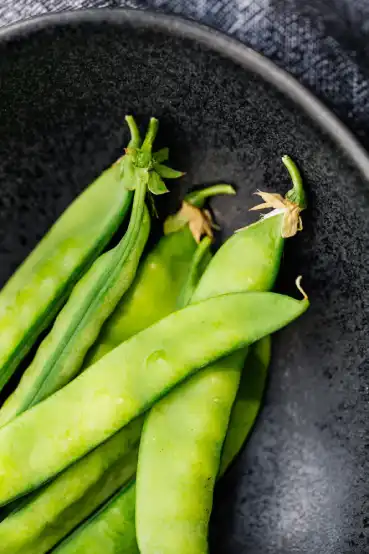
They are a type of legume that climbs, a cross between snow peas and garden peas.
Garden peas, sometimes called green, sweet, or English, are the ones you always see in the freezer section or in canned form. The pods are firm and rounded, but they are not edible. Instead, you shell them to get to the peas inside for consumption.
Snow peas, also known as Chinese pea pods, originated in Southwest Asia. Unlike garden peas, you eat the whole pod and expect a mild taste. They are flat with tiny peas inside and harvested before they fully develop. Growers usually remove the string along the edges.
Now, there are different varieties of snap peas, including the following:
- Sugar Snap. These classics climb up to six feet tall and mature in about 58 days.
- Super Sugar. This variety lives up to its name, as it is extra sweet and produces long pods loaded with seeds.
- Sugar Ann. This dwarf variety matures quickly and grows well in containers or small plots.
- Cascadia Snap. Choose these disease-resistant and for their delicious fruits.
- Peas Little Marvel. Grow small pods with big flavors and a perfect crunch.
- Sugar Daddy Snap Peas. Another sweet, crunchy variety you will want to munch right from your garden.
How To Grow Them
So, how do you add sugar snap peas to your Arizona garden? Here are the steps, along with some pro tips.
Step 1: Time It
They thrive in cool weather, so timing matters.
For a spring crop, plant once you can work on the soil during the season, which should be four to six weeks before the last expected frost date. For a fall crop, plant in late summer, around eight to 10 weeks before the first frost. Avoid the Arizona heat at all costs!
For the best results as a beginner, choose varieties that mature faster. When you are sure you have a green thumb, play with other varieties.
Step 2: Prepare the Location
After scheduling your planting, head to your lawn to plot where you will plant them. Remember the three S’s.
Sunlight
They still need the sun. Choose a spot that receives six to eight hours of direct sunlight daily, unless you are in a hotter part of the state. A little afternoon shade would be helpful. Again, overheating tortures peas!
Soil
They require soil that drains well, making raised beds an ideal choice. They also prefer soil that is slightly acidic to neutral, with a pH range of 6.0 to 7.5.
If you’re short on space, containers at least 12 inches deep and wide will do. Simply fill it with quality potting mix and place it in a sunny spot.
Note: Do not plant them in the same spot where you have grown other legumes in the past two years. That depletes certain nutrients, which makes it harder for them to do their magic.
Support
You’re about to have vining plants. As such, a trellis, netting, or bamboo stakes are necessary. Find a wide selection of tools and hardware at Shoppers Supply farm stores in Arizona, and set up your structure for your seedlings.
Step 3: Plant the Seeds
First, loosen the soil a bit, then plant seeds an inch deep and two inches apart. Remember to space your rows 18 to 36 inches apart, and that is it!
Step 4: Water Them
Give them a gentle watering with a nozzle or watering can. The goal is evenly moist soil, especially when it does not rain often. Explore our store locations for information on watering, irrigation, and other lawn care products.
Generally, they do not need a lot of fertilizer. In fact, too much nitrogen may backfire, causing lots of leafy growth but fewer pods. If you mix compost into your soil, however, you are good to go.
Step 5: Observe the Growth
Snap pea seeds take a week or two to germinate when the soil is between 45°F and 75°F. In colder temperatures, it might take up to 30 days.
Count on row covers to keep frost away, then turn to mulch when the weather warms. Grass clippings, straw, or shredded newspaper help control weeds, retain moisture, and keep the area cool.
Step 6: Harvest the Fruits
Payoff time! Snap peas produce for six to eight weeks. Some varieties start earlier and finish faster, while others spread their harvest out over a longer period. Growers begin picking 60 to 70 days after planting.
When picking them, the pods should be plump, crisp, and snap easily when bent. The trick is to harvest often, ideally every couple of days. Doing so encourages the plant to keep producing.
Pick in the morning when they are at their juiciest, and eat them the same day. You might miss out on the flavor if you wait!
Then, plant new batches every few weeks for a steady supply.
Step 7: Save the Seeds
Yes, you can save seeds for next year. Let a few pods remain on the vine until they are brown and dry. Once you hear the seeds rattling inside, pick them, shell them, and lay them out on a towel to dry for a few more days. Store them in a cool, dry place until you are ready to plant again.

Companion Planting
Whether or not sugar snap peas are the first to grace your grounds, it’s a good idea to plant other vegetables, fruits, and flowers alongside them. Companion planting promotes better growth, deters pests, and improves soil health. Here are some options:
- These veggies have deep roots that the pea’s shallow roots will not compete with. Why not maximize your space and nutrients?
- Get a natural trellis for climbing snap peas! Moreover, they add nitrogen to the soil, which the corn can utilize for growth.
- Share a trellis, save space, and create a microclimate. You will soon have delicious salads!
- Lettuce and Spinach. These leafy greens thrive in the shade provided by taller plants. Trust them to suppress weeds as well.
- The flowers scare pests away and attract pollinators. The colors will take your breath away, too.
- Radishes have roots that loosen compacted soil, which snap peas require. Additionally, aphids and beetles tend to avoid them.
Plants To Keep Away
If there are plants that are friendly to sugar snap peas, there are also not-so-friendly ones. For instance, the allium family, which includes onions, garlic, and shallots, releases compounds that interfere with the growth of pea roots and slow their growth. Fennel has a similar problem.
Tomatoes, peppers, eggplants, and the rest of the nightshade family demand a lot of nutrients and will compete with your snap peas. Finally, potatoes share some of the same diseases as peas; planting them together increases the risk of spreading illness.
Why Add Them To Your Arizona Garden?
A garden becomes more inspiring when you know what it can give you. Sugar snap peas offer several benefits, one of which is their versatility. Are you craving snacks? They are snacks. You can also stir-fry, fry, steam, or toss them into salads. Roast, sauté, and pan-grill as much as you want!
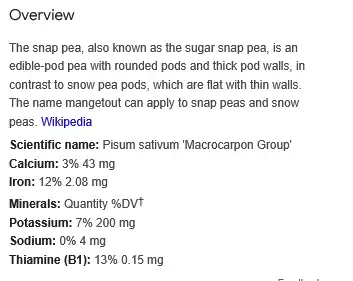
Let’s not forget nutrition. Sugar snap peas are naturally low in calories but pack in Vitamin C, Vitamin A, Vitamin K, iron, and fiber. They are also low on the glycemic index, so you never have to worry about spikes in blood sugar.
Lastly, they do not ask for too much. They are low-maintenance! Once you realize homegrown peas can be as (if not more) fresh and crisp as the store-bought ones without fuss, there might be no turning back. What’s not to love?
Have a Thriving Garden With Shoppers Supply
Are you excited about adding more greens to your Arizona garden and kitchen? Sugar snap peas are absolutely delightful additions, and you have a go-to place for everything you need for a successful gardening (and outdoor) adventure!
You have Shoppers Supply feed stores in Apache Junction and Chandler, a pet store in Gilbert, and all-kinds-of-stuff stores in all three. Our team is eager to share our insights on peas and all the neighborhood’s favorite crops. Ask us anything, and you will receive expert advice, plus only the highest-quality products.
Contact Shoppers Supply online to learn more about what is on our shelves! We look forward to your visit and exploration. And savor your sugar snap peas, of course.
